Chengdu, done properly

Most visitors see the pandas and leave. Chengdu rewards two or three days: the teahouse where nobody hurries you, the hotpot that locals queue for, the cooking class where you learn why Sichuan pepper makes your lips hum.
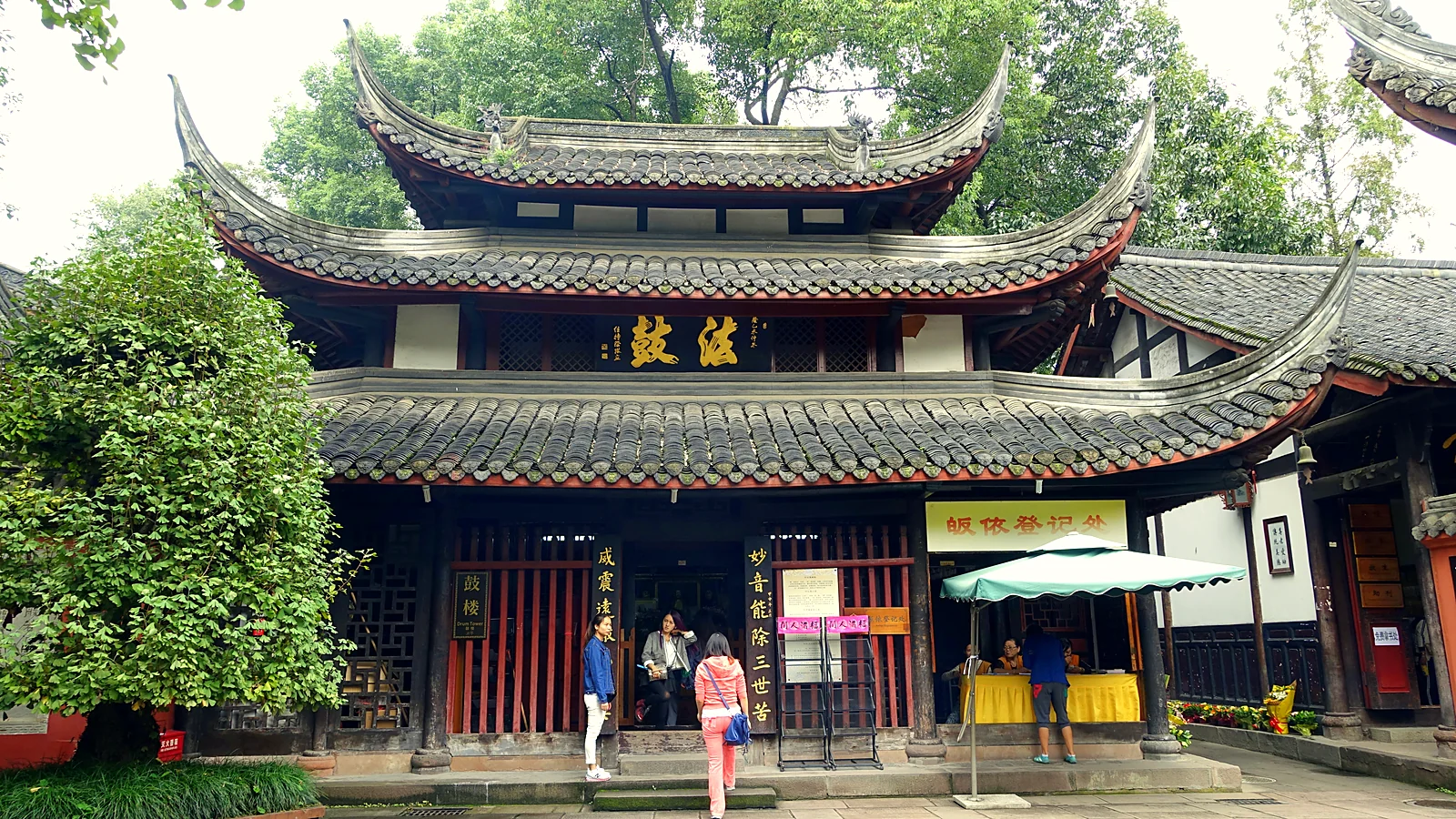
What a good Chengdu day looks like
06:50 — we pick you up before the tour buses. Pandas are most active in the first two hours; by 10:00 they are asleep and the crowds arrive. Our guide knows which enclosure to hit first and where the red panda loop starts.
11:30 — a Sichuan cooking class: three dishes, a market visit, and an explanation of why mala is a sensation rather than a flavour.
15:00 — People's Park teahouse, a bamboo chair, a bottomless jasmine tea, and the ear-cleaning man who has been doing this for thirty years.
18:30 — hotpot, ordered the way locals order it (beef tallow base, tripe, potato slices, a bowl of garlic oil).
Suggested itineraries
| Length | Route | From |
|---|---|---|
| 1 day | Panda Base + cooking class + teahouse | US$120 pp |
| 2 days | Above + Leshan Giant Buddha or Dujiangyan | US$260 pp |
| 3 days | Above + Qingcheng Mountain and a day in the old lanes | US$390 pp |
Practical notes
- Chengdu is covered by China's 240-hour visa-free transit for many nationalities — we confirm the current rule for your passport before you book flights.
- Panda Base tickets are name-registered; send passport names at least 3 days ahead.
- Best months: March–May and September–November. July–August is hot and humid; December–February is grey but quiet and cheap.